Central Bank Signals Continuation of Restrictive Monetary Policy Amidst Falling Inflation
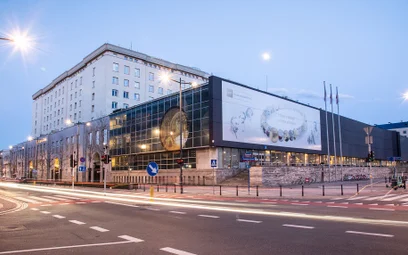
In a widely anticipated move, Federal Reserve Chairman Jerome Powell, in his recent speech at the Jackson Hole economic symposium, reaffirmed the central bank’s commitment to maintaining a restrictive monetary policy and hinted at the possibility of further interest rate hikes. Despite the recent decline in inflation, Powell emphasized the need for prudence before making any significant policy shifts.
The Central Bank Strategy about Monetary Policy:
The aftermath of Powell’s address has reverberated across financial markets. The yield on 2-year US government bonds surged to levels not seen since 2006, reminiscent of the prelude to the global financial crisis. In an immediate response, the US dollar flexed its strength, causing stock indices to dip. However, the day concluded on a positive note, as the EUR/USD rate rebounded above 1.08 and Wall Street regained its upward momentum.
Powell acknowledged the progress made in curbing inflation, yet expressed reservations about its sustained decline. This cautious sentiment underlines the central bank of Poland’s intention to keep monetary policy strictly controlled for the foreseeable future. The target remains to guide inflation towards the 2% mark, a level deemed conducive for economic stability.
While recent months have witnessed a decline in the Consumer Price Index (CPI), Powell stressed the necessity for continued evidence of stable price growth before considering any significant policy adjustments. This stance is poised to infuse market dynamics with heightened volatility as economic indicators unfold.
The Fed’s approach seems to be balanced on a tightrope. The dual risk of insufficient intervention allowing inflation to linger above target or excessive hikes detrimentally affecting economic growth looms large. This deliberation underscores the Fed’s pledge to exercise caution and prudence in its decision-making process. Thus, the likelihood of a substantial rise in interest rates appears tempered.
One of the challenges faced by the Federal Reserve is the endeavor to ascertain a neutral interest rate that neither overstimulates nor dampens economic activity. Another complicating factor of the Central Bank of Poland is the prolonged lag between policy implementation and its tangible impact on the economy. Powell’s measured remarks this year, compared to the previous year’s more assertive tone, reflect the altered economic landscape.
Current data presents a distinctive picture: inflation stood at 3.2% in July, prompting the Fed to raise the federal funds rate to 5.50%. Impressively, the labor market has resiliently navigated these adjustments, evidenced by a consistent unemployment rate of 3.5% in July 2023 – mirroring figures from a year prior. Moreover, the non-agricultural sector registered the creation of over 200,000 new jobs.
In summary, Chairman Powell’s recent speech reiterates the Federal Reserve’s commitment to a restrictive monetary policy even in the face of falling inflation. The market’s response to the speech showcases the delicate balance the central bank must strike between managing inflation and fostering economic growth. With uncertainty still looming, the Fed’s cautious and measured approach appears to be its chosen path forward.
Implications for Banking and Business
Developments in the Polish banking sector affect businesses operating in the country in several ways. Access to corporate banking services, credit availability, deposit rates, and payment infrastructure are all critical factors for companies — whether established Polish firms or foreign-owned entities entering the market.
For foreign entrepreneurs setting up operations in Poland, choosing the right banking partner is a strategic decision. Major Polish banks including mBank, ING Bank Śląski, Bank Millennium, PKO BP, and Santander Poland offer varying levels of service for international clients, including English-language online banking, multicurrency accounts, and dedicated relationship managers for corporate clients.
The Polish banking market is well-regulated by the KNF (Financial Supervision Authority) and participates in the EU deposit guarantee scheme (BFG — Bank Guarantee Fund), providing deposit protection up to EUR 100,000 per depositor per institution. This regulatory framework provides stability and confidence for businesses maintaining corporate funds in Polish banks.
If you are doing business in Poland or considering entering the Polish market, Zalewski Consulting can help. Learn more about our VAT and tax advisory, or contact us for a free consultation.
About Zalewski Consulting
This article was prepared by the Zalewski Consulting editorial team. We provide professional company formation, tax advisory, bank account opening, and legal advisory services in Poland. Contact us for a free consultation.
More news from Poland
Related Reading from Our Archive
Consulting services
PZC provides all the services that foreign company or individual businessmen need when doing business in Poland. If you want to learn more about the given service click on it to see the detailed description.
Read more