Tax-Free Threshold Increase Criticized as Inadequate Reform by Experts
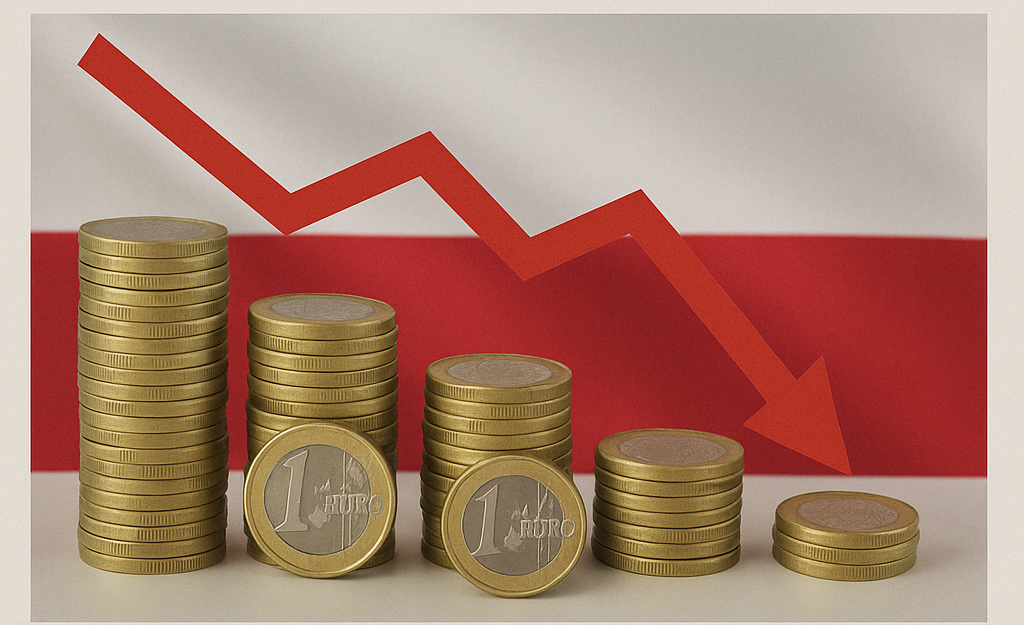
The proposed increase of Poland’s tax-free amount to PLN 60,000 has sparked debate among financial experts, with many warning that the move may provide only superficial relief. While the policy sounds appealing to voters, economists argue that it does little to address deeper issues within the country’s tax system.
According to estimates from the Ministry of Finance, implementing the higher tax-free threshold would cost the state approximately PLN 56 billion annually. This is a significant burden at a time when Poland faces an excessive deficit procedure and the 2025 budget already includes record-level defense spending. Furthermore, Poland’s fiscal rules limit the government’s ability to increase expenditures without balancing them through tax changes.
Despite these concerns, President-elect Karol Nawrocki has pledged to push forward with the proposal, even if the current government does not act, citing his right to legislative initiative.
However, tax expert Piotr Juszczyk from inFakt cautions that raising the tax-free amount is a short-term solution. He notes that while it benefits lower-income earners, it does not address core issues such as the low second tax threshold or high labor costs. According to him, a broader tax reform—especially a revision of the tax brackets and contribution system—is necessary to provide meaningful, long-term relief.
Juszczyk highlights the sharp jump from the 12% to 32% tax rate as especially problematic for middle earners. For instance, a gross salary of PLN 13,000 can result in a net pay drop of PLN 2,200 once the higher rate applies, pushing many into financial stress. He also notes that previous changes, like reducing the first tax rate, have unintentionally widened the gap between brackets, making the system even more difficult for many taxpayers to manage.
What This Means for Businesses in Poland
Tax policy changes in Poland have direct implications for both domestic and foreign-owned businesses. Companies operating in Poland must stay informed about regulatory developments to optimize their tax position and maintain compliance. The Polish tax system includes CIT (19% standard, 9% for small taxpayers), VAT (23% standard rate with reduced rates of 8% and 5%), and various sector-specific levies.
For international entrepreneurs and investors, understanding the Polish tax landscape is essential for business planning. Poland offers several attractive incentives including the Polish Investment Zone (up to 15 years of CIT exemption), R&D tax relief (up to 200% deduction), and the IP Box regime (5% effective CIT rate on qualified intellectual property income). Professional tax advisory can help identify the most beneficial structure for your specific situation.
The interplay between Polish domestic tax law and international tax treaties is particularly important for foreign-owned entities. Transfer pricing regulations, withholding tax provisions, and anti-avoidance rules (GAAR) require careful navigation to ensure both compliance and optimization.
If you are doing business in Poland or considering entering the Polish market, Zalewski Consulting can help. Learn more about our tax advisory services in Poland, or contact us for a free consultation.
About Zalewski Consulting
This article was prepared by the Zalewski Consulting editorial team. We provide professional company formation, tax advisory, bank account opening, and legal advisory services in Poland. Contact us for a free consultation.
More news from Poland
Related Reading from Our Archive
Consulting services
PZC provides all the services that foreign company or individual businessmen need when doing business in Poland. If you want to learn more about the given service click on it to see the detailed description.
Read more